

“Troll” (2022) is a Norwegian monster film directed by Roar Uthaug, inspired by Nordic folklore about giant creatures living inside mountains. The movie blends action, disaster, and mythology into a modern creature-feature story.
The Beginning: A Disturbance in the Mountains
The story begins in the Dovre mountains of Norway, where a construction company is drilling a tunnel through the rock. During the excavation, a massive explosion occurs, killing workers and destroying equipment. The incident appears strange and unexplainable.
The Norwegian government launches an investigation. At the site, they discover enormous footprints and signs of something gigantic moving through the mountains. Realizing this is no ordinary accident, they bring in Nora Tidemann, a paleontologist who specializes in ancient myths and folklore.
The Truth About the Creature
Nora joins a military and government team to track the mysterious being. As they explore the mountains, they find more evidence of a massive creature moving south toward populated areas.
Based on the clues and old legends her father once studied, Nora realizes the truth:
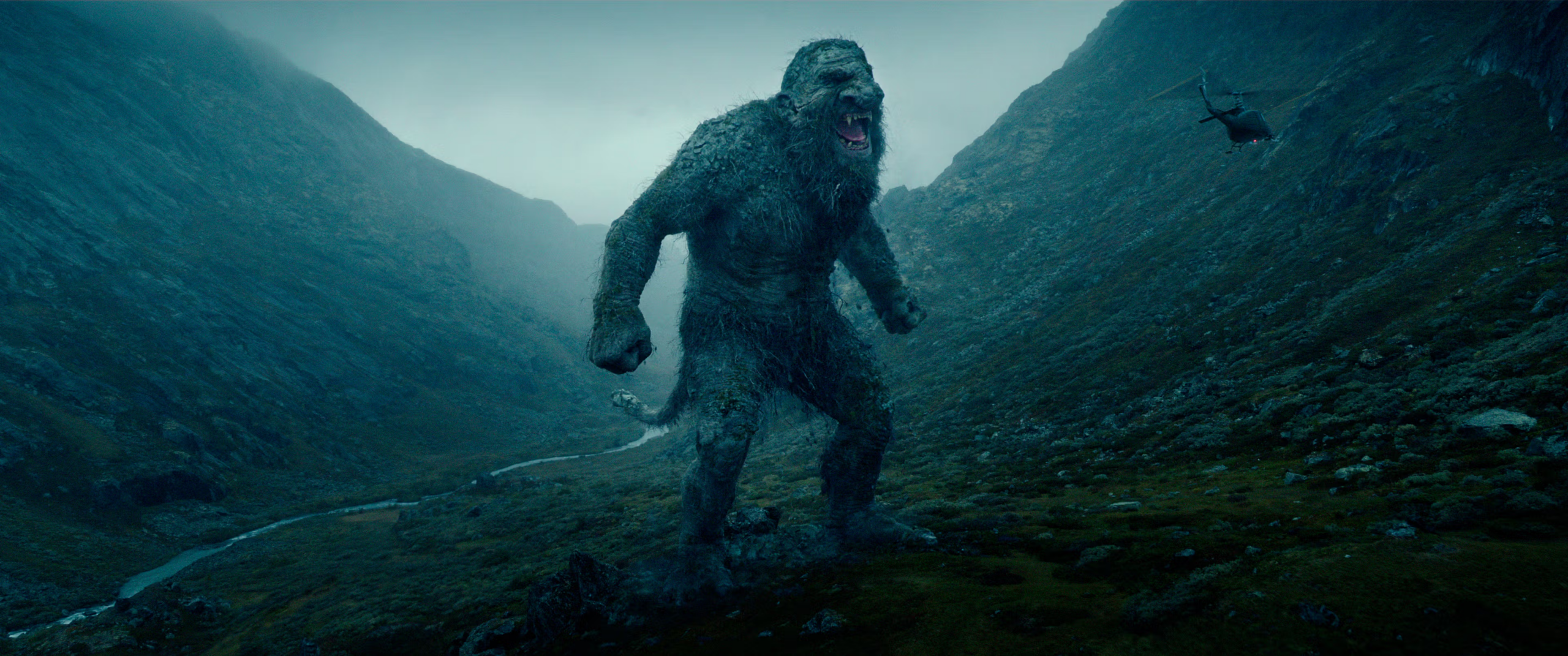
The creature is a troll, a giant stone-like monster from Norwegian folklore.
According to the myths, trolls:
- Live deep inside mountains
- Avoid sunlight at all costs
- Turn into stone when exposed to direct sunlight
At first, the government refuses to believe in folklore and instead tries to destroy the creature using modern weapons. However, all military attacks fail. Missiles and gunfire barely affect the troll and only make it more aggressive.
The March Toward Oslo
The troll continues moving toward Oslo, leaving a path of destruction behind. Bridges collapse, vehicles are crushed, and cities are thrown into panic. Massive evacuations begin as the military struggles to stop the creature.
Nora notices that the troll isn’t attacking randomly. It seems to be following a specific path, as if searching for something.
Through her research, she concludes that the troll is trying to return to its original home in the Dovre mountains, a place humans have long disturbed and destroyed.
The Past and the Troll’s Motivation
Nora recalls the stories her father told her:
In ancient times, humans hunted trolls and destroyed their habitats. The creature now roaming Norway could be the last surviving troll, awakened after centuries of slumber when humans drilled into its mountain.
This realization changes Nora’s perspective. The troll is not a mindless monster—it is an ancient being reacting to human intrusion.
The Final Plan
As the troll reaches Oslo and begins destroying major landmarks, the military prepares to use heavy weapons, even if it means devastating the city.
Nora proposes a different solution:
Instead of killing the troll with weapons, they should lure it into direct sunlight. According to legend, sunlight will turn it into stone.
Her team works to guide the creature out of shadowed areas and toward open spaces. It’s a dangerous operation, but they manage to delay it until sunrise.
The Ending: Turned to Stone
As the first rays of sunlight hit the troll, its body begins to crack and harden. Within moments, the giant creature turns completely into stone, frozen in place like a massive statue in the middle of the city.
The immediate threat is over.
However, in the final scene, investigators detect another unusual sign deep inside the mountains, suggesting that this may not have been the last troll after all.
Themes and Message
Beyond the monster action, the film explores deeper ideas:
- The conflict between humans and nature
- The consequences of disturbing ancient environments
- The importance of myths and cultural heritage